


Tailored Hair Loss Solutions
Alopecia, or hair loss, can come in many forms, and each form needs its own tailored solution. The various alopecia types include androgenetic alopecia (pattern baldness), female pattern alopecia (female pattern baldness), PCOS hair loss, scarring alopecia (CCCA), and telogen effluvium (stress-induced shedding).
What is Alopecia?
Alopecia, commonly referred to as hair loss, is characterized by partial or complete baldness in areas where hair typically grows. This condition can affect individuals of all ages, genders, and ethnicities, and it manifests in various forms and levels of severity. Alopecia can have a profound impact on a person’s appearance, self-esteem, and overall quality of life. Understanding its causes, symptoms, and available treatment options is essential for those experiencing hair loss, as early intervention can make a significant difference in managing the condition.

Signs and Symptoms
Early recognition of the symptoms for all alopecia types is crucial for timely intervention, helping to mitigate its effects on hair and scalp health. Below are key signs to watch for:
- Thinning Hair: One of the earliest indicators of alopecia is gradual hair thinning, particularly at the crown or top of the scalp. You may notice less hair density and more scalp visibility.
- Receding Hairline: In androgenetic alopecia (AGA), or male/female pattern baldness, a receding hairline, especially around the temples and forehead, is common. This progression can lead to more pronounced hair loss over time.
- Bald Patches: Alopecia areata often presents as sudden, well-defined bald spots on the scalp or other body areas. These patches can vary in size and shape, appearing without warning.
- Excessive Shedding: Significant hair shedding during washing, brushing, or styling can indicate conditions like telogen effluvium, which causes hair to fall out, leading to noticeable thinning.
- Visible Scalp Changes: Some forms of alopecia, such as cicatricial alopecia, may cause visible scalp changes like scarring, scaling, or skin discoloration, signaling damage to the hair follicles.
- Changes in Hair Texture: Alopecia may cause remaining hair to become finer, weaker, or more brittle, making it more prone to breakage and further loss.
- Scalp Irritation: Some individuals with alopecia may experience itching, burning, or tenderness of the scalp, often accompanied by inflammation or redness. This can signal an underlying autoimmune condition, such as scarring alopecia.
By recognizing these signs and seeking prompt medical evaluation, individuals can receive early diagnosis and treatment, increasing the chances of successful hair restoration and minimizing further loss.
Different Alopecia Types
The different Alopecia types each come with unique characteristics and causes:
- Androgenetic Alopecia (AGA): Known as male or female pattern baldness, this is the most common form of hair loss and is genetically inherited. It leads to progressive thinning in distinct patterns, such as a receding hairline or widening part.
- Alopecia Areata: An autoimmune disorder characterized by sudden, patchy hair loss on the scalp or body, where the immune system attacks hair follicles. It can progress to alopecia totalis, resulting in complete scalp hair loss.
- Telogen Effluvium: This temporary form of hair loss is often triggered by stress, hormonal imbalances, medical conditions, or medications. It causes increased shedding during the telogen (resting) phase of the hair growth cycle.
- Cicatricial Alopecia: Also called scarring alopecia, this condition involves inflammation and scarring that destroy hair follicles, leading to permanent hair loss. It can stem from autoimmune diseases or infections, with biologics and/or hair transplantation being potential treatments.
- Traction Alopecia: Caused by prolonged tension on hair follicles from tight hairstyles or grooming practices (such as braids or tight ponytails), this form of hair loss typically affects the hairline and areas under repeated stress.
Alopecia Treatment Options
If you’re experiencing hair loss, there are several effective Alopecia treatments available to help restore growth or prevent further loss. Whether your condition is temporary or permanent, the right treatment plan can make a significant difference. Here’s an overview of the treatments offered:
Hair Transplant Surgery
- FUE (Follicular Unit Extraction): This minimally invasive procedure involves harvesting individual hair follicles from the back or sides of the scalp and transplanting them into thinning or bald areas. FUE is ideal for treating less severe cases of alopecia.
- FUT (Follicular Unit Transplantation): FUT involves removing a strip of scalp from the donor area to harvest multiple hair follicles, which are then implanted into the balding areas. This method is perfect for larger transplants in a single session.
- Benefits: The Gold standard for treating all alopecia types. Offers permanent results, natural hair regrowth, and the ability to cover large areas of baldness.
- Best For: Patients with significant hair thinning or bald patches seeking long-term solutions.
Growth Factor Therapy
- How It Works: Growth Factor Therapy involves drawing a small amount of blood, processing it to concentrate the platelets, and injecting it into balding areas. These platelets release growth factors that stimulate hair follicles, promoting new growth and strengthening existing hair.
- Benefits: Non-surgical, minimal downtime, and can be combined with other treatments for enhanced results.
- Best For: Early-stage hair thinning, androgenic alopecia, or patients seeking a non-invasive solution.
Determining the best treatment for hair loss depends on several factors, including your overall health, treatment goals, and preferences. Consulting with a dermatologist or hair restoration specialist is key to developing a customized treatment plan that effectively addresses your alopecia.
Alopecia: Early Detection and Prevention Tips
Detecting early signs of hair loss can significantly impact your ability to preserve your hair and slow alopecia’s progression. While conditions like male-pattern and female-pattern baldness may not be entirely preventable, early intervention can delay their effects. Here are a few tips to help you recognize and prevent the symptoms of all alopecia types:
- Monitor Thinning or Shedding: Keep an eye on changes in your hairline, part, or overall hair density. Sudden or patchy hair loss may indicate an underlying issue.
- Pay Attention to Scalp Health: Signs of an itchy, inflamed, or scaly scalp can be early indicators of conditions like alopecia areata or infections. Address these concerns with a dermatologist for timely intervention.

- Limit Stress: Physical or emotional stress can lead to temporary hair loss. Incorporating stress-reduction techniques, such as meditation, exercise, and relaxation, can lower the risk of stress-induced shedding. Ending chronic sleep deprivation and getting at least 7.5-8 hours of sleep per night can be very helpful.
- Gentle Hair Care: Avoid tight hairstyles, excessive heat styling, and harsh chemical treatments that can damage your hair. Use wide-tooth combs and gentle brushing to minimize breakage and prevent traction alopecia.
- Maintain a Balanced Diet: Proper nutrition is essential for healthy hair growth. Ensure your diet includes key vitamins and minerals like biotin, iron, and zinc to prevent thinning caused by nutrient deficiencies.
- Consult a Professional: If you’re concerned about hair loss, it’s essential to seek advice from a hair restoration expert early on. Early treatment can prevent further loss and improve the effectiveness of available treatments.
Why Choose Anti Aging & Functional Medicine?
When it comes to hair restoration in Raleigh, NC, experience matters. Anti Aging & Functional Medicine stands out for several reasons:
Led by Dr. Arthur Zacco
With decades of experience in hair restoration, Dr. Arthur Zacco is committed to delivering the best results – take a look at our before and after photos.
Personalized consultations
Dr. Arthur Zacco will assess your hair loss and recommend the best hair growth treatment plan for you.
State-of-the-art techniques
Our clinic offers the latest in FUE, FUT, and Growth Factor Therapy.
Transparent pricing
Flexible payment plans
We make hair restoration accessible with financing options that fit your budget.
Comprehensive care
From consultation to post-procedure follow-up, we provide support every step of the way.
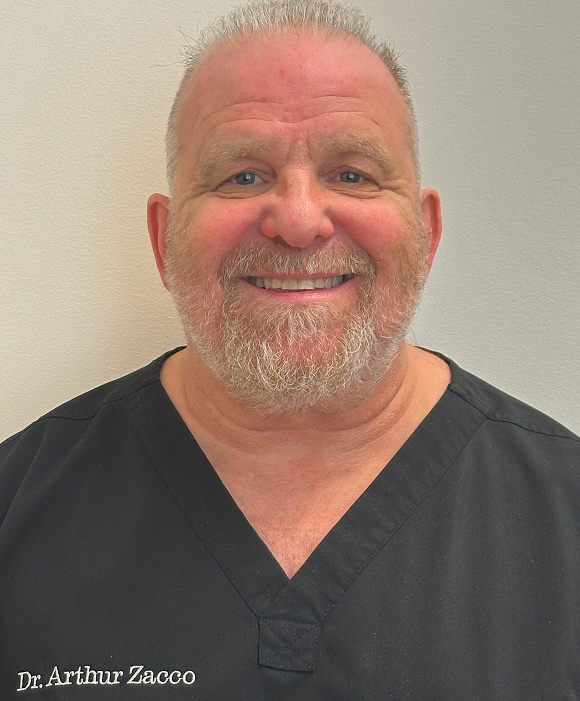
Meet
Dr. Arthur Zacco
Dr. Arthur Zacco has been performing hair transplantation in Wake County, North Carolina, since 1996. With decades of experience in the field, Dr. Zacco has helped countless patients restore their hair and confidence.
Dr. Zacco is highly skilled in a full range of hair restoration methods, including FUE, FUT, MFU, PRP therapy, and corrective procedures for transplants performed elsewhere. As the only physician-owned hair transplantation facility in Wake County, Anti Aging & Functional Medicine is committed to providing high-quality, individualized care at a reasonable cost, avoiding the inflated expenses of large corporate practices.
Dr. Zacco believes that education is paramount in the hair restoration process. He emphasizes the importance of understanding different techniques and how they align with each patient’s unique needs. In cases of significant hair loss, Dr. Zacco may recommend combining techniques to achieve the best results.
Get Your Hair—and Your Confidence—Growing
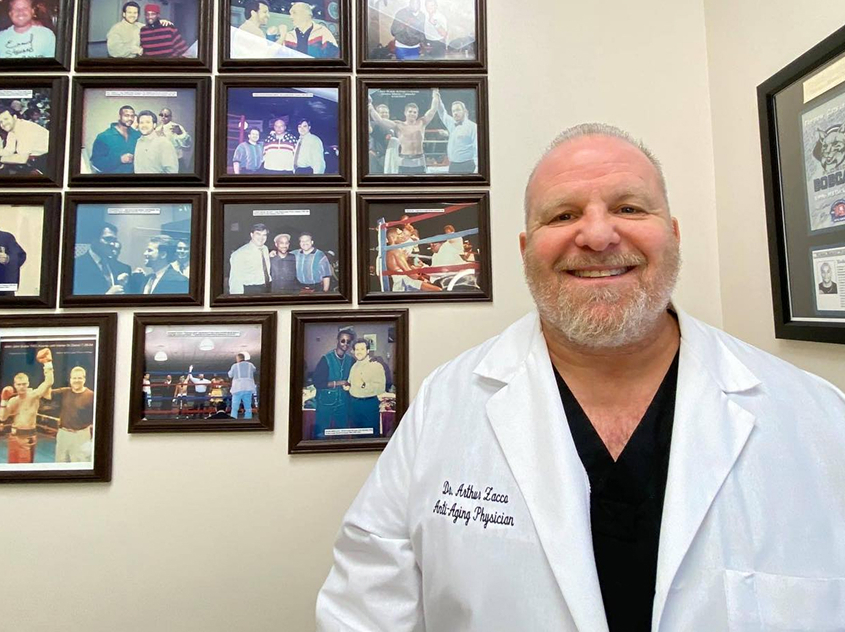
Your journey to hair restoration starts with a simple step: reaching out to us. Let Anti Aging & Functional Medicine in Raleigh, NC, help you reclaim the hair you miss with personalized hair growth treatments and hair transplants designed for real results.
Contact us today to book a FREE consultation with Dr Arthur Zacco and take control of your hair loss with expert care and proven solutions.
Frequently
Asked Questions
What are the different alopecia types?
The different alopecia types are:
- Androgenetic Alopecia (AGA)
- Alopecia Areata
- Telogen Effluvium
- Cicatricial Alopecia
- Traction Alopecia
What causes Alopecia?
Many people begin to bald over time. This can be caused by various factors, including autoimmune conditions, hormonal changes, genetics, stress, medical conditions, and certain medications.
Is alopecia permanent?
The permanence of alopecia hinges on its root cause. Sometimes, hair loss is transient and can naturally reverse with time, whereas it may endure indefinitely in other instances.
How to stop alopecia?
Stopping alopecia requires addressing the underlying cause. Alopecia Treatments may include medications, lifestyle changes, stress management techniques, and medical procedures such as hair transplants.
Does alopecia cause hair loss everywhere?
Alopecia can affect specific areas of the scalp or body rather than causing hair loss everywhere. The extent and pattern of hair loss vary depending on the type and severity of alopecia.
How to regrow hair from alopecia?
Regrowing hair from alopecia may involve various treatment approaches, including medications, topical treatments, laser therapy, and hair transplant surgery. Consulting with a hair restoration specialist can help determine the most appropriate regrowth options based on individual needs. Most Hair Restoration Specialists provide a free consultation for the initial appointment.
Book a Free
Consultation With
Dr. Arthur Zacco
Ready to start your new chapter?
Fill out the form and one of our specialists will be in touch soon.
Prefer a phone call? Perfect, give us a call on 919-830-3778
 Online Marketing For Doctors